
Stovetop Kettles
Stovetop Kettle Materials Explained: Stainless Steel, Copper, Cast Iron, and Glass
September 26, 2026
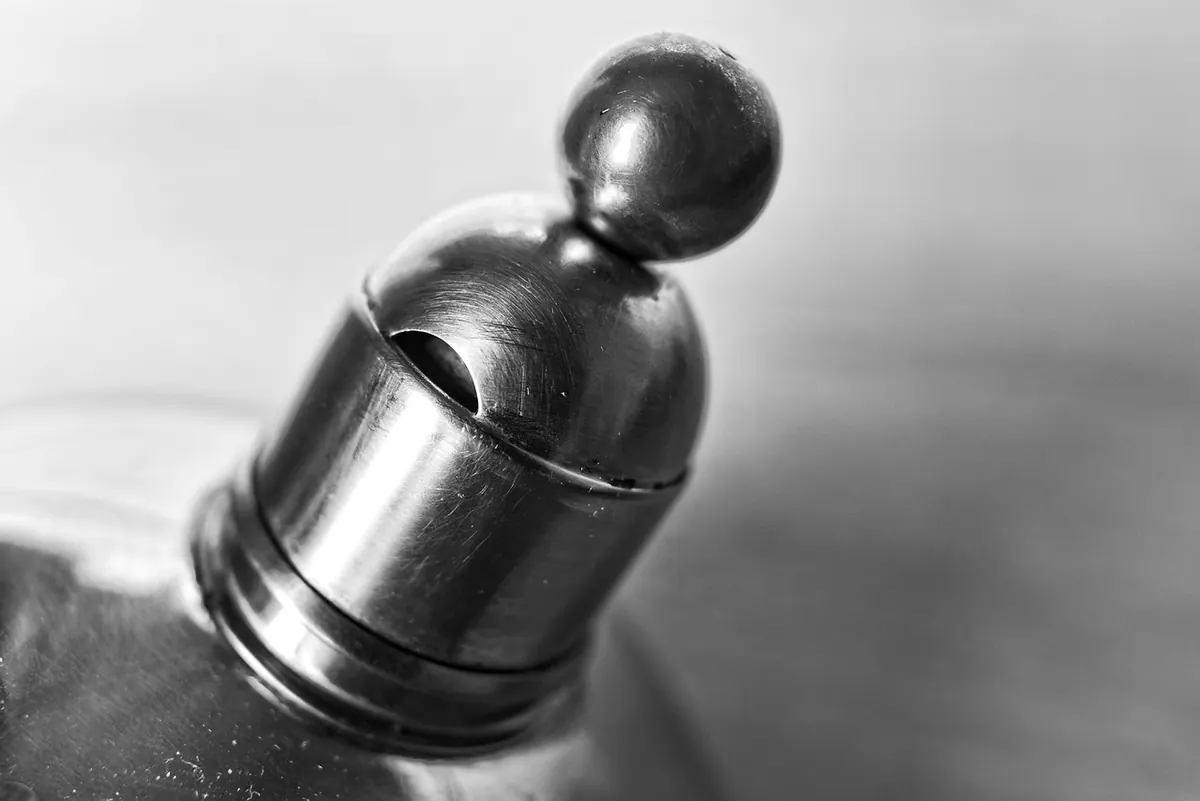
A kettle earns its counter space more reliably than almost anything else in the kitchen. Most shoppers compare spouts, handles, and whistle styles, but the material of the body quietly decides how the whole thing feels to use: how quickly it heats, how long it stays hot, how heavy it is when full, and how much upkeep it asks for. Here is how the four common materials actually behave on a burner.
Why the Material Matters More Than the Shape
Two properties drive almost everything you notice. Thermal conductivity is how fast heat travels through the kettle wall into the water. Heat retention is how long the kettle stays warm after you turn the burner off.
Copper and aluminum conduct heat quickly. Cast iron conducts slowly but holds what it gets. Stainless steel on its own is a poor conductor, which is why the better steel kettles have an aluminum or copper layer bonded into the base.
Weight is the other factor people underestimate. A 1.7-liter kettle carries roughly 1.7 kilograms of water before you count the metal. Add a heavy cast iron body and you are lifting something close to a small dumbbell with one hand, often while steam is rising at your face. Fill a kettle at the store if you can, or at least picture your morning pour.
Stainless Steel: The Reliable Default
Stainless steel is non-reactive, so it will not tint your water or hang on to the flavor of last night's tea. It resists rust under normal use, tolerates a dishwasher in most designs, and survives the occasional knock against the sink.
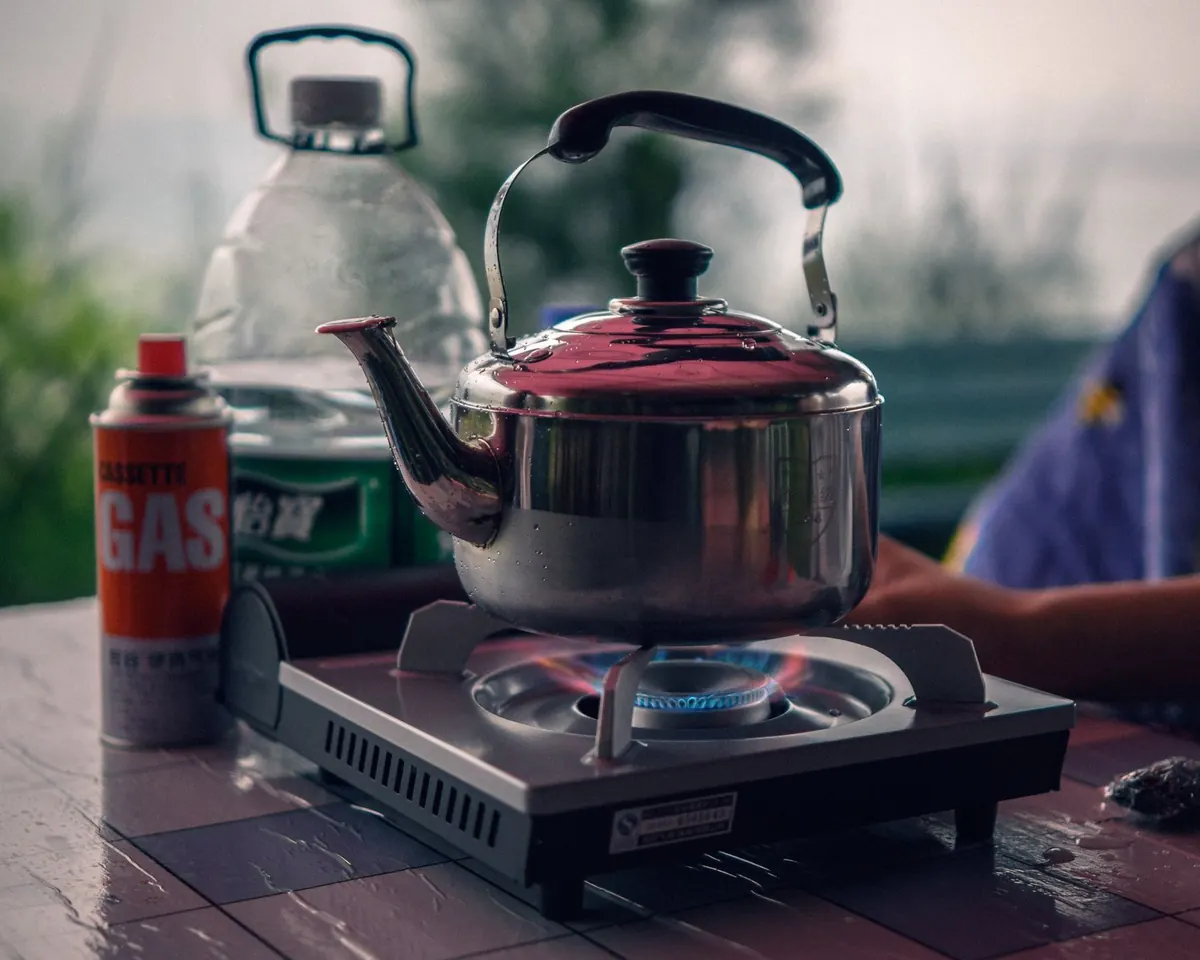
The catch is heat spread. Plain steel heats in a ring above the flame and leaves the rest of the base cooler. Look for wording like tri-ply, encapsulated base, or aluminum core. A thick disc base is a perfectly good compromise for a kettle, because you are only boiling water, not searing a steak.
If you have an induction hob, test the base with a magnet before buying. If the magnet sticks firmly, induction will work; if it barely clings, it probably will not. Two small annoyances come with steel: hard-water scale and rainbow-colored heat tint. Both respond to boiling equal parts water and white vinegar, then rinsing well.
Copper: Fastest Heat, Highest Maintenance
Copper moves heat faster than any other common cookware metal. Water comes to a boil quickly, and the kettle stops cooking almost the moment the flame goes out. If you make one cup at a time and want it fast, copper is hard to beat.
It is also the neediest. Bare copper tarnishes from warm brown to pink to a dull green patina, and keeping it bright means regular polishing with a vinegar-and-salt paste or a commercial copper cleaner. Interiors are usually lined: tin linings are traditional and should never be heated empty or boiled dry, while stainless-lined copper is more forgiving.
Handles are often brass or cast iron and get hot. Keep a folded towel nearby, and never grab the lid bare-handed after a long boil.
Cast Iron: Slow Start, Long Hold
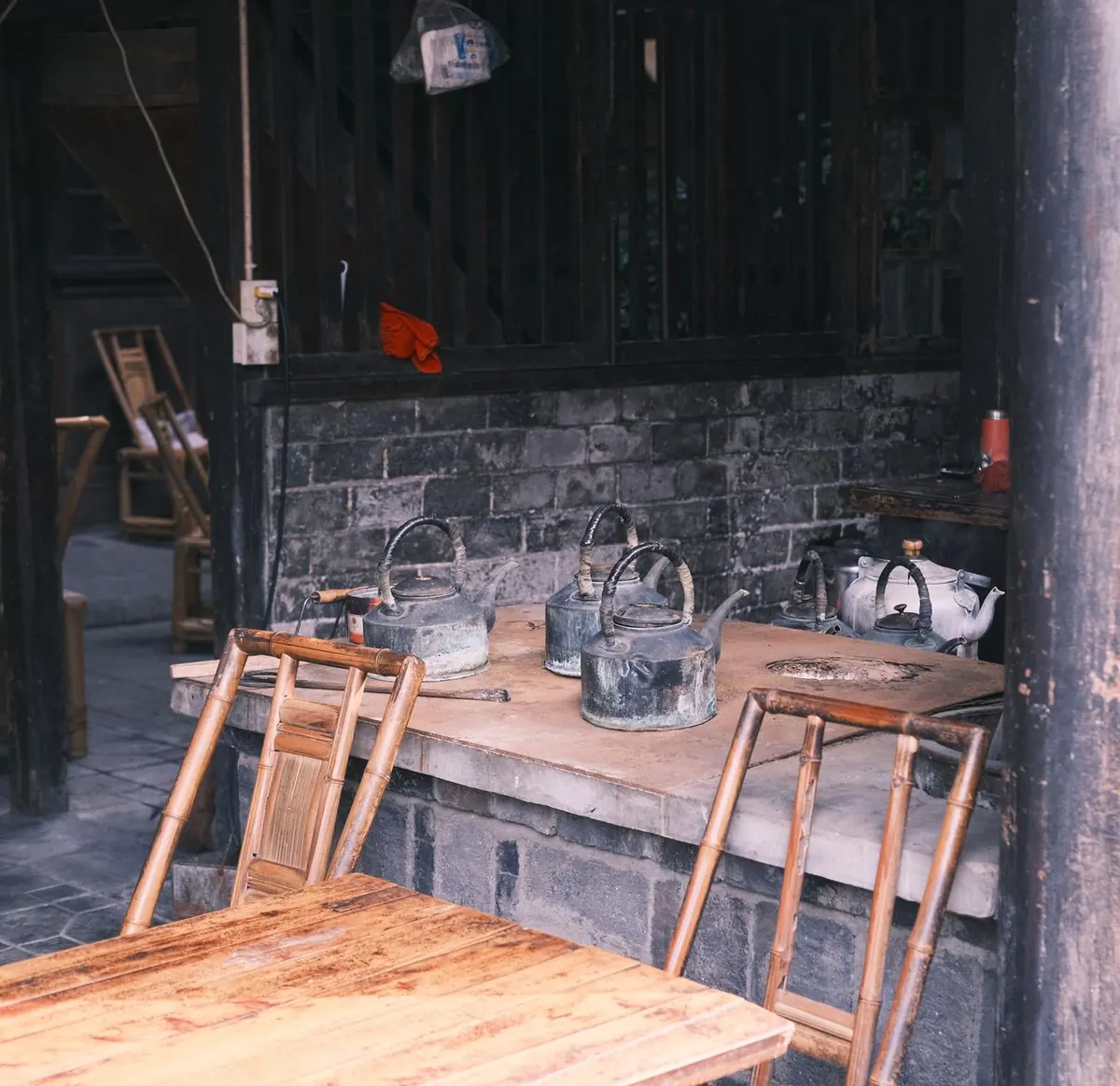
A cast iron kettle takes its time getting to a boil, and it wants a moderate flame rather than a roaring one, since a concentrated blast of heat on one spot can outpace the metal's ability to spread it. Once hot, though, it stays hot. Fill it once and you can pour cup after cup while it sits off the burner.
Bare cast iron needs seasoning and will rust if it stays damp. A faint metallic taste usually means the seasoning is thin or the kettle sat wet; boil a full pot, dump it, then dry the kettle on a low burner so residual heat drives off the last of the moisture. Enameled cast iron skips the seasoning entirely and is non-reactive, but the coating can chip, so treat it gently and keep it out of the dishwasher.
Glass: Full Visibility, Delicate Handling
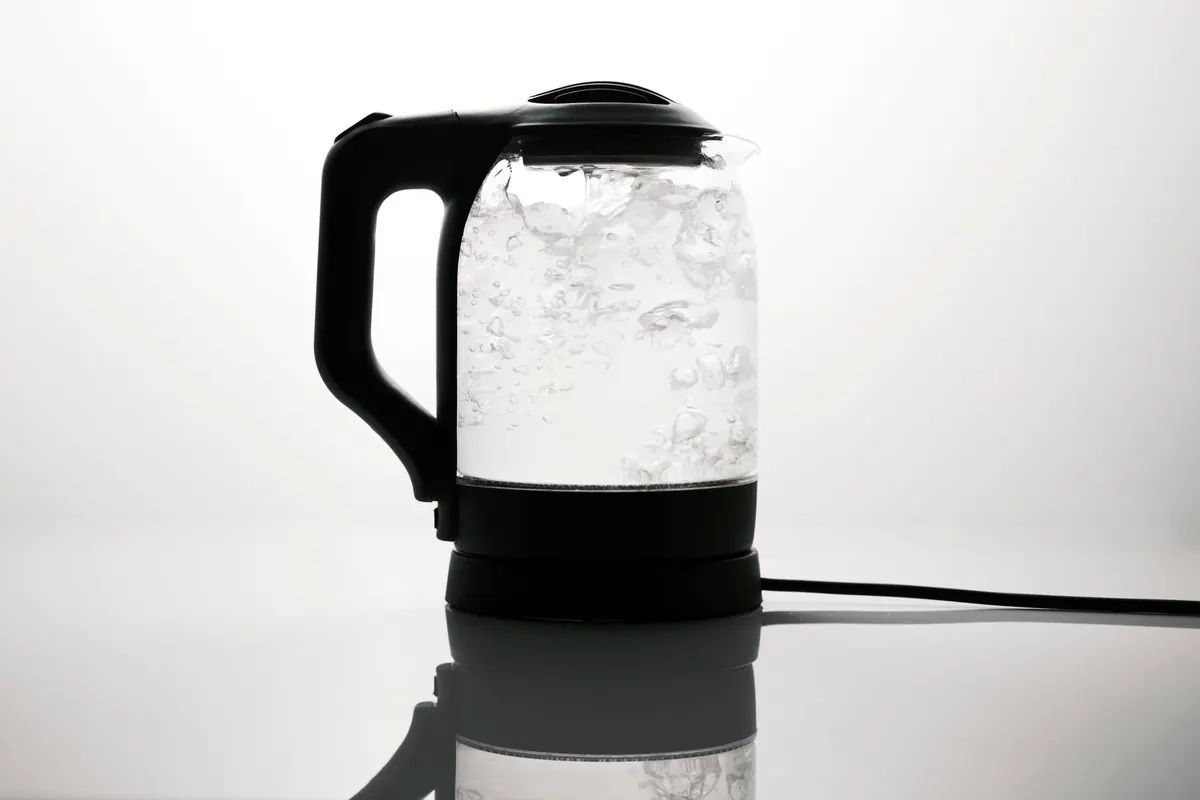
Glass is non-reactive, adds no taste, and lets you watch the water come to a boil and spot scale before it becomes a problem. That transparency is genuinely useful, and some glass kettles include a metal-clad base to speed heating on the stove.
What glass does not do is hold heat. It is a poor conductor, so it warms slowly and cools quickly, and it demands respect around temperature swings. Do not pour cold water into a hot glass kettle or set a hot one in a cold sink. Let it cool first, check the rim and base for chips, and replace it if you find a crack. A snug lid and a handle shaped to keep your knuckles out of the steam path matter more here than on any other material.
Matching Material to Your Stove and Habits
- Induction hob: magnetic stainless steel or enameled cast iron. Copper and glass generally will not work unless the base is specifically designed for it.
- Gas: anything goes, but copper and cast iron pick up soot on the outside. Wipe the exterior after it cools.
- Glass-top electric: choose a flat, smooth base. Rough or ridged bottoms can scratch the surface.
- One or two cups a day: stainless steel with an encapsulated base. Simple, light, easy to clean.
- Tea for a household, all morning: enameled cast iron, which keeps water hot between pours.
- Speed above all: copper, if you do not mind polishing it.
- Flavor and visibility first: glass, handled with care.
Care Rules That Apply to Every Material
Never boil a kettle dry. It warps bonded bases, ruins tin linings, and can crack glass. Descale every month or two in hard-water areas by boiling equal parts water and white vinegar, letting it sit, then rinsing thoroughly. Manufacturers sometimes specify a different method, so check the paperwork first.
Skip abrasive pads on polished or enameled surfaces, and dry the kettle completely before putting it away. Treat a kettle as a water boiler, not a cooking pot: simmering salty or acidic food in it is hard on linings and leaves flavors behind. If a handle loosens or a whistle mechanism fails, replace the kettle rather than trusting it with a full load of boiling water.
A Simple Way to Choose
For most kitchens, stainless steel with a layered base is the sensible answer. It is light enough to lift comfortably, indifferent to what you boil in it, and easy to keep clean. If your kettle sits on the stove through a long morning of refills, enameled cast iron earns its weight. Choose copper if you enjoy the polishing ritual and want the fastest boil, and glass if watching the water matters more than speed.
One last check before you buy: fill your current kettle, lift it, and notice how it feels. A kettle you avoid picking up is a kettle you will not use, no matter how good the metal is.
Photo: MabelAmber / Pixabay
Related posts
More stories you’ll love reading