

Boil water for coffee, tea, instant noodles, or a hot water bottle, and a kettle becomes the hardest-working small appliance in the kitchen. The choice between plugging one in and setting one on the burner looks like a coin flip. In practice, it shapes your morning routine, your counter, and how much attention you have to pay to a pot of water.
How Each Kettle Actually Heats Water
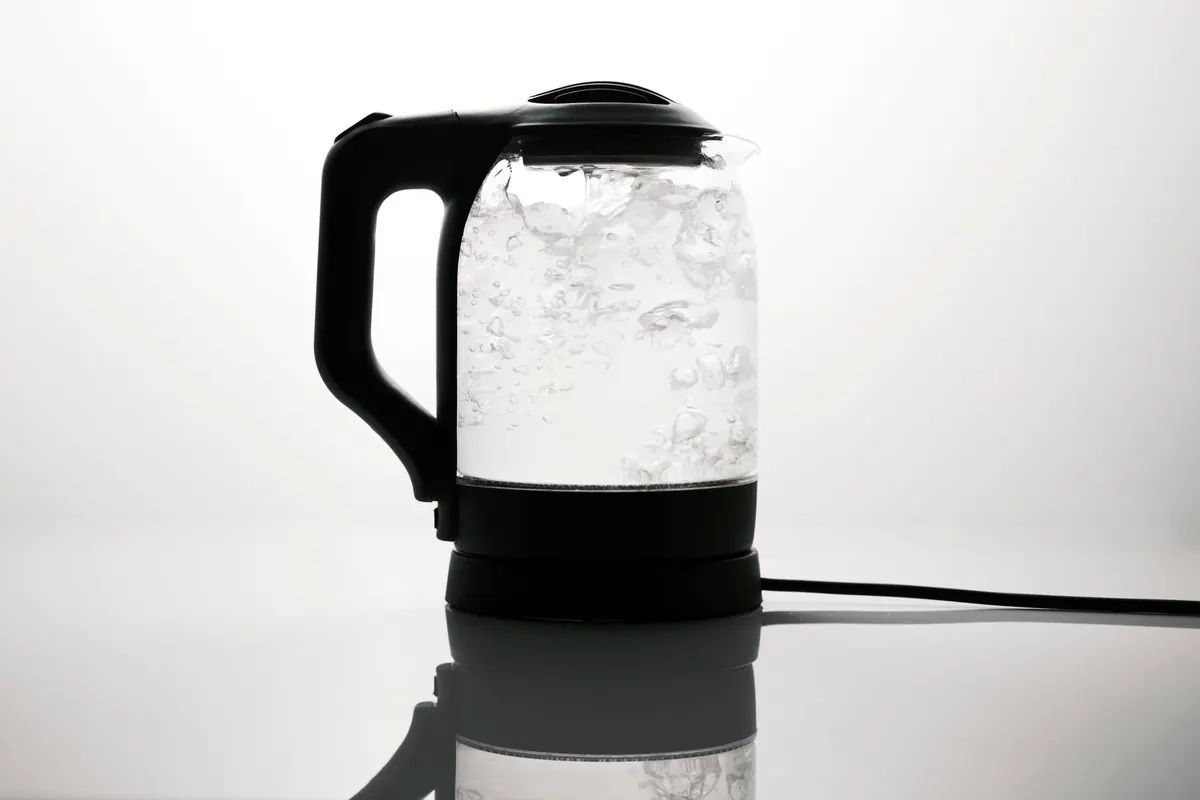
An electric kettle hides a metal element inside the body or under the base plate. Plug it in, flip the switch, and the element heats the water directly. Most models shut off automatically at a boil, and many include boil-dry protection. You fill it at the sink, set it on its base, and walk away.
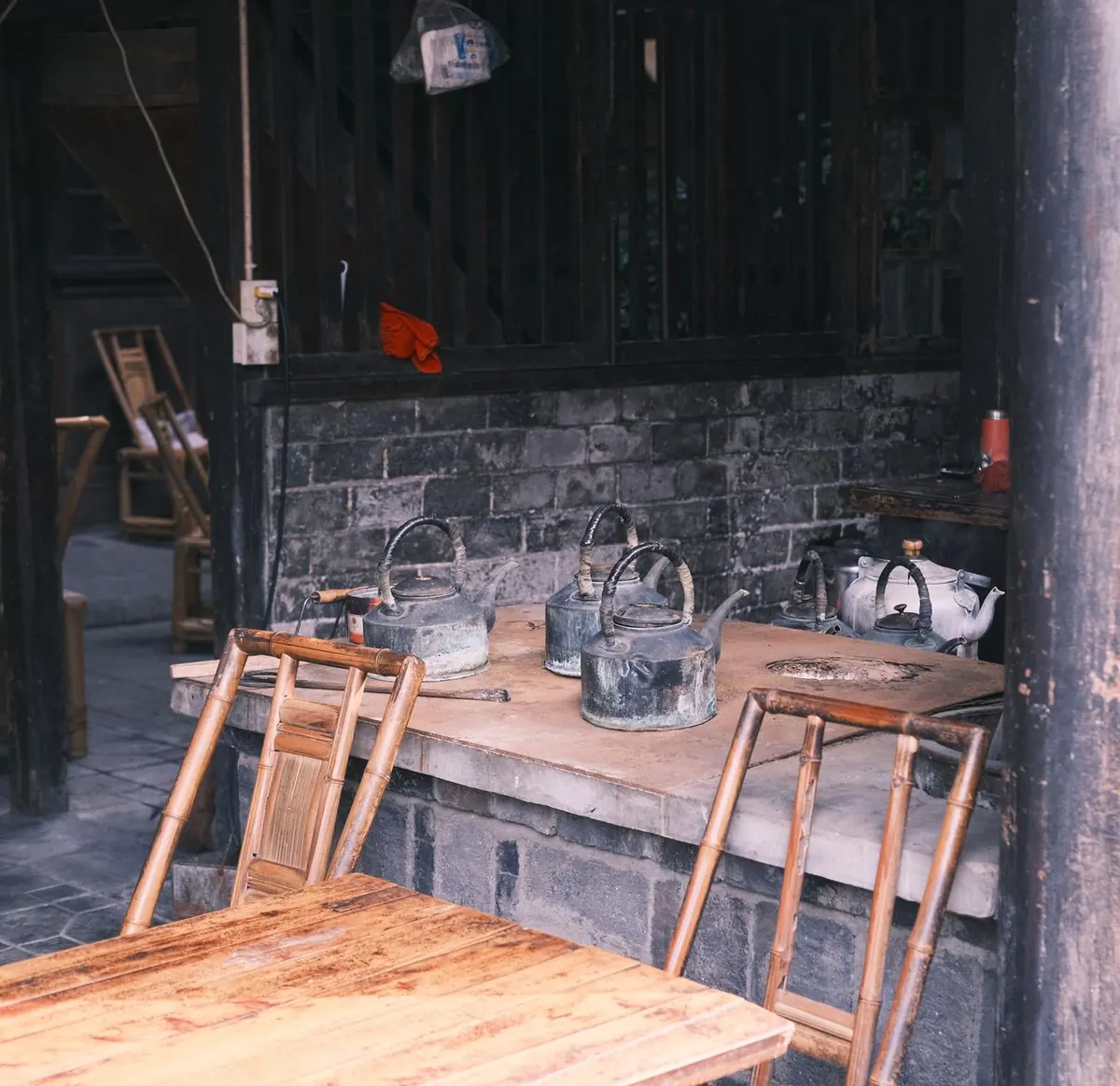
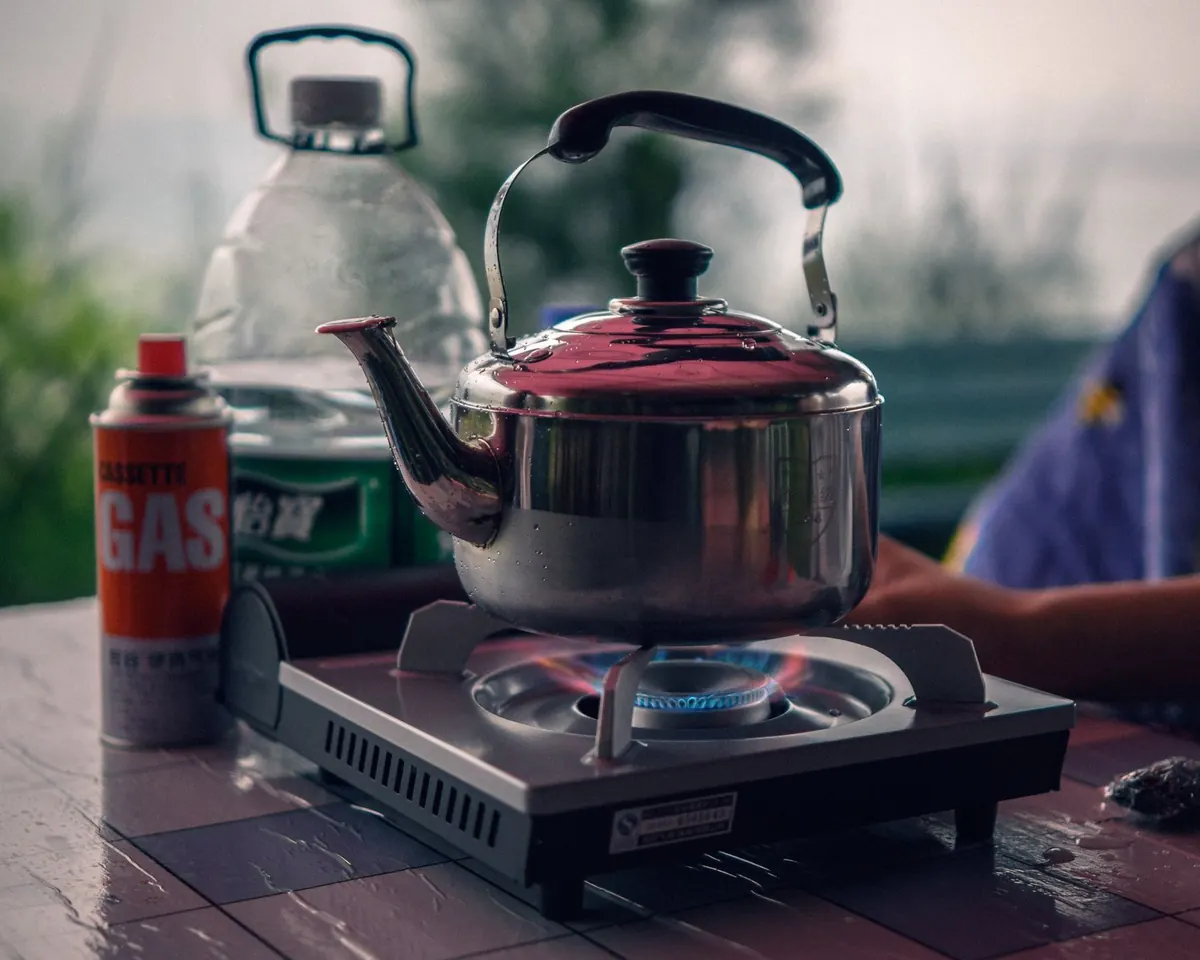
A stovetop kettle is a pot with a spout, a handle, and a lid. Heat comes from below — gas flame, induction field, or electric coil — travels through the base, and warms the water. Whistling models announce when the water is ready, which is charming until you're in another room. Nothing shuts off by itself, and a forgotten kettle on a gas burner can scorch or warp.
That difference in heat delivery explains almost everything that follows: speed, running costs, noise, and how much of your attention the kettle demands.
Speed: The Gap Is Smaller Than You Think
Electric kettles sold in North America commonly draw around 1,500 watts; in the UK and Europe, 3,000-watt models are normal. A litre of water in a 1,500-watt kettle takes roughly four to five minutes, and less on a higher-wattage model. The appeal is consistency: the same time every morning, no matter what else is happening on the stove.
Stovetop speed depends entirely on the burner. Induction is the quickest, gas is respectable, and older electric coil burners are the slowest of the group. A wide, flat-bottomed kettle sits closer to the heat and boils faster than a tall narrow one. If you're cooking a big meal and every burner is occupied, the stovetop kettle waits its turn. The electric one doesn't.
Two habits beat any hardware upgrade: boil only the water you need, and keep the lid on. Filling to the maximum line for one mug of tea adds minutes and wastes energy, whichever kettle you own.
Energy Use: Where the Heat Goes
An electric kettle is efficient in the narrow sense that its element sits in the water. Very little heat escapes before it reaches the liquid. A stovetop kettle loses heat around the sides of the pot, up the handle, and into the air of your kitchen — more so when a gas flame wraps around a narrow base. That escaping warmth isn't useless in January, but it isn't boiling your water either.
Efficiency isn't the same as cost. What you actually pay depends on local prices for electricity and gas, which vary widely by region. In many places electricity costs more per unit of energy than gas, so a gas burner can still be cheaper even though it's less efficient. If you have a cheap overnight tariff or rooftop solar, the electric kettle wins clearly. If you cook and heat with gas, the stovetop may edge ahead on running costs. Check your own utility rates rather than trusting a general rule.
Practical wins for both types: descale regularly, since mineral buildup slows heating noticeably, don't reboil water you didn't use, and match the kettle base to the burner size so flames don't lick up the sides.
Counter Space, Noise, and Daily Annoyances
An electric kettle needs three things a stovetop kettle doesn't: an outlet, a stretch of counter near that outlet, and somewhere for the base and cord. In a small kitchen, that's real estate. Cordless models help because only the base stays plugged in, but the kettle still needs a permanent landing spot.
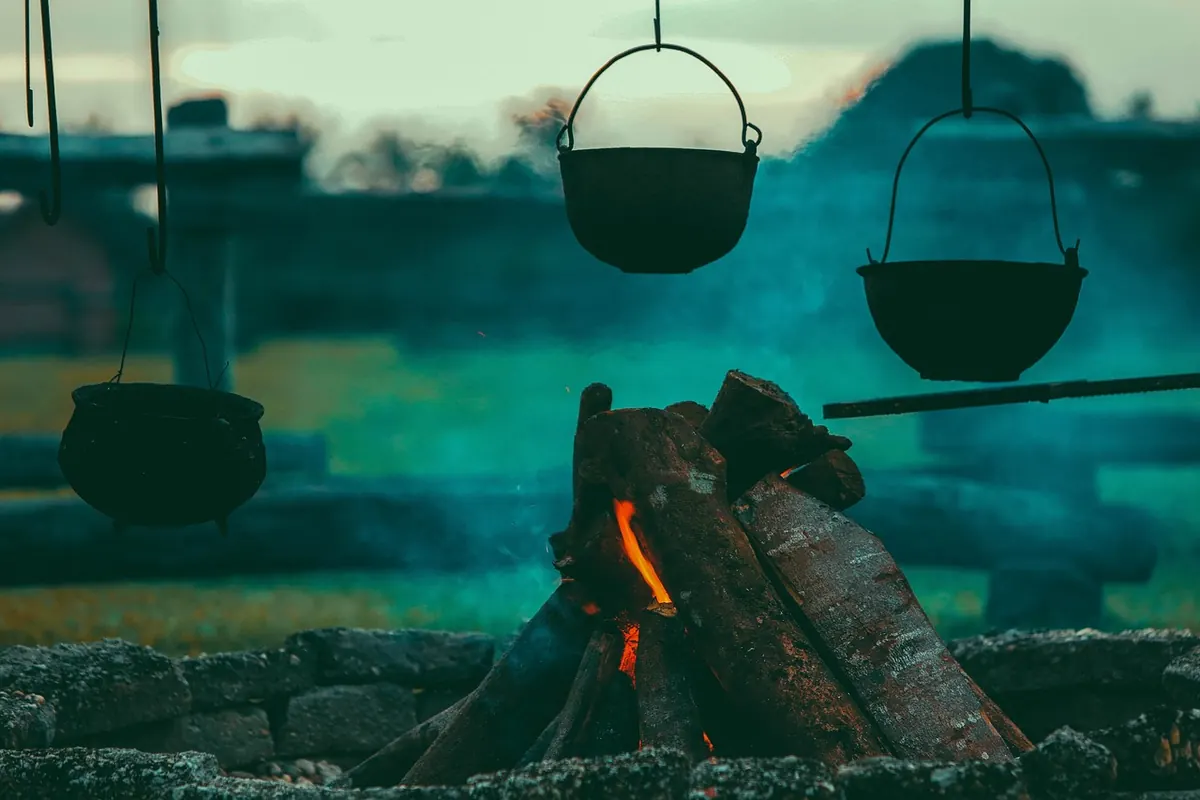
A stovetop kettle lives on the stove, ignores outlets, and travels to a campfire or a rental cabin without complaint. It frees the counter but occupies a burner, sometimes for several minutes while everything else waits.
- Electric: a low hum as the element works, a click at shutoff, and a rattle as the water hits a rolling boil.
- Stovetop on gas: the burner's hiss, then a whistle that grows louder and more insistent. Useful, and impossible to ignore.
- Stovetop on induction: a quiet fan from the cooktop plus the kettle's own rumbling.
- Room heat: a stovetop kettle warms the air around it — welcome in winter, less welcome in August.
Temperature Control: The Real Divide
If you drink green tea, brew pour-over coffee, or make baby formula, temperature matters. Water straight off a rolling boil is too hot for delicate green tea and can scald some coffee roasts. Variable-temperature electric kettles let you pick 70°C, 80°C, 90°C, or an exact number, and often hold it there. Gooseneck models pour slowly and precisely, which is why pour-over brewers gravitate to them.
A stovetop kettle offers one setting: hot, hotter, boiling. You can work around it by pulling the kettle off the heat early, letting the water rest for a minute after boiling, or dipping in an instant-read thermometer. That's manageable, but it's fiddly. If you want repeatable results every morning without thinking about it, this is the electric kettle's strongest argument.
Which One Fits Your Kitchen?
Match the kettle to your habits rather than to a spec sheet. A few honest questions settle it faster than any comparison table: How often do you boil water? Is your counter already crowded? Which burner, if any, is usually free?
- Choose electric if you make tea or coffee several times a day, want automatic shutoff, need precise temperatures, or your stove is usually busy.
- Choose stovetop if counter space is tight, you have a strong induction or gas burner, you want one kettle for both the kitchen and the camping box, or you simply like the ritual of a whistle.
- Buy both if you have the room: a stovetop kettle for big pots of pasta water and a crowd of guests, an electric one for your everyday cup.
Whichever you pick, keep it in good shape. In hard-water areas, descale every month or two — a mix of equal parts water and white vinegar, brought to a boil and left to sit, then rinsed thoroughly, does the job. On an electric model, check the cord and base for wear and never fill above the maximum line. On a stovetop model, make sure the handle is firmly attached and the lid fits snugly. Simple tools, looked after properly, last for years.
Photo: Pexels / Pixabay
Related posts
More stories you’ll love reading